 FSD Uganda
Financial Inclusion Beyond Mobile Money: A Sustainable Approach to Building Inclusive Financial Markets
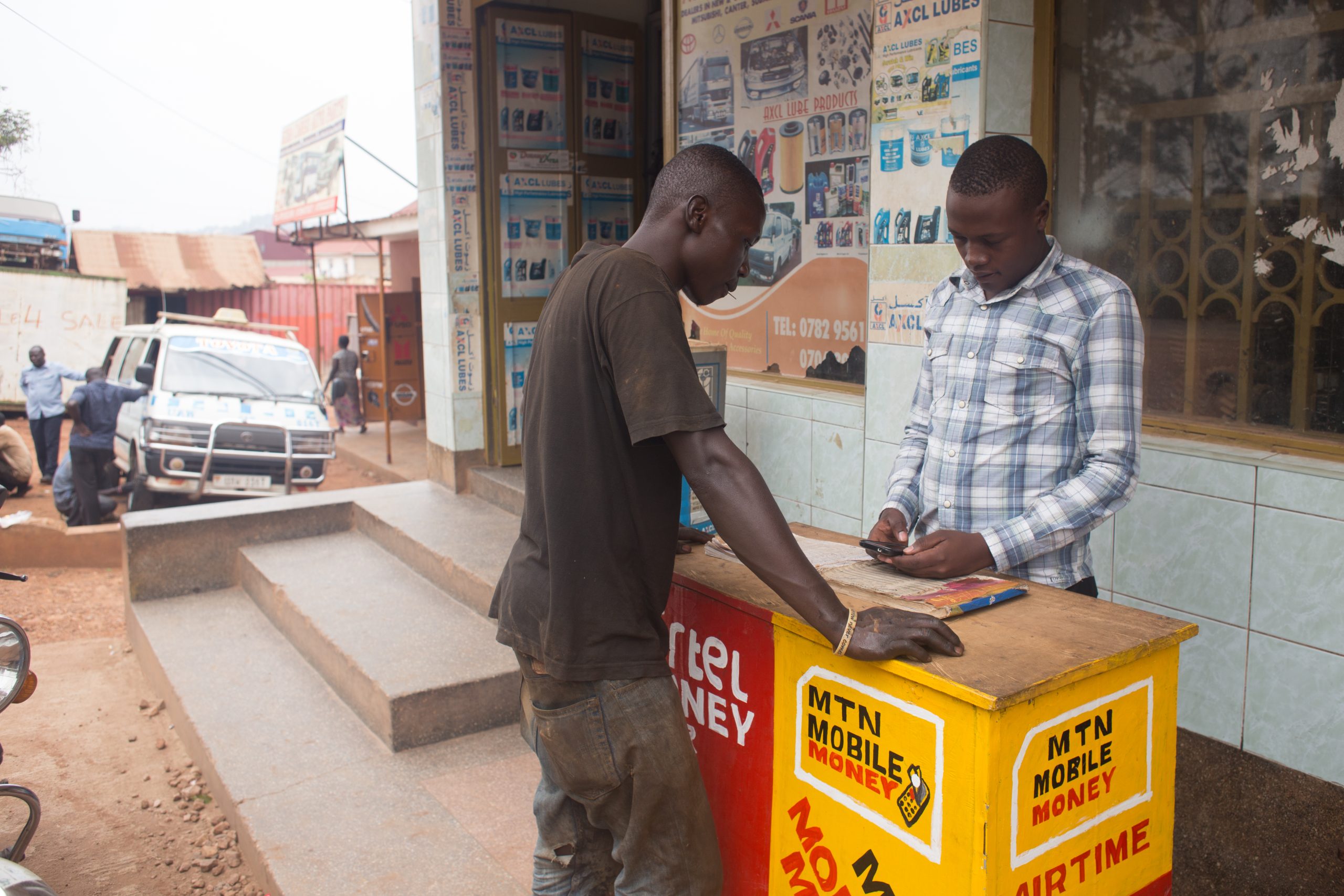
Mobile money is essentially a digital form of physical cash stored in a digital equivalent of a physical wallet. Therefore, when one goes to a mobile money agent and exchanges physical cash for mobile money, I would not consider this as a financial service, but rather a cash management service.
The greatest value proposition of mobile money is the ability to transfer cash instantly between two or more distant parties – something that would have taken hours or even days due to the country’s underdeveloped and often poor state of physical infrastructure. This is precisely why there has been a strong uptake of mobile money in Uganda because it addresses the primary challenge of moving money from one point to another at the lowest possible cost, compared with physically transporting cash. This was confirmed by the findings from the 2023 Finscope survey. Nine out of ten adults use mobile money to send and or receive money. Only 11 percent use it for financial services, and less than five percent use it for borrowing which are the core to financial services. Supply-side data equally shows that the proportion of savings or credit transactions account for no more than 10 percent of the total mobile money transfers